
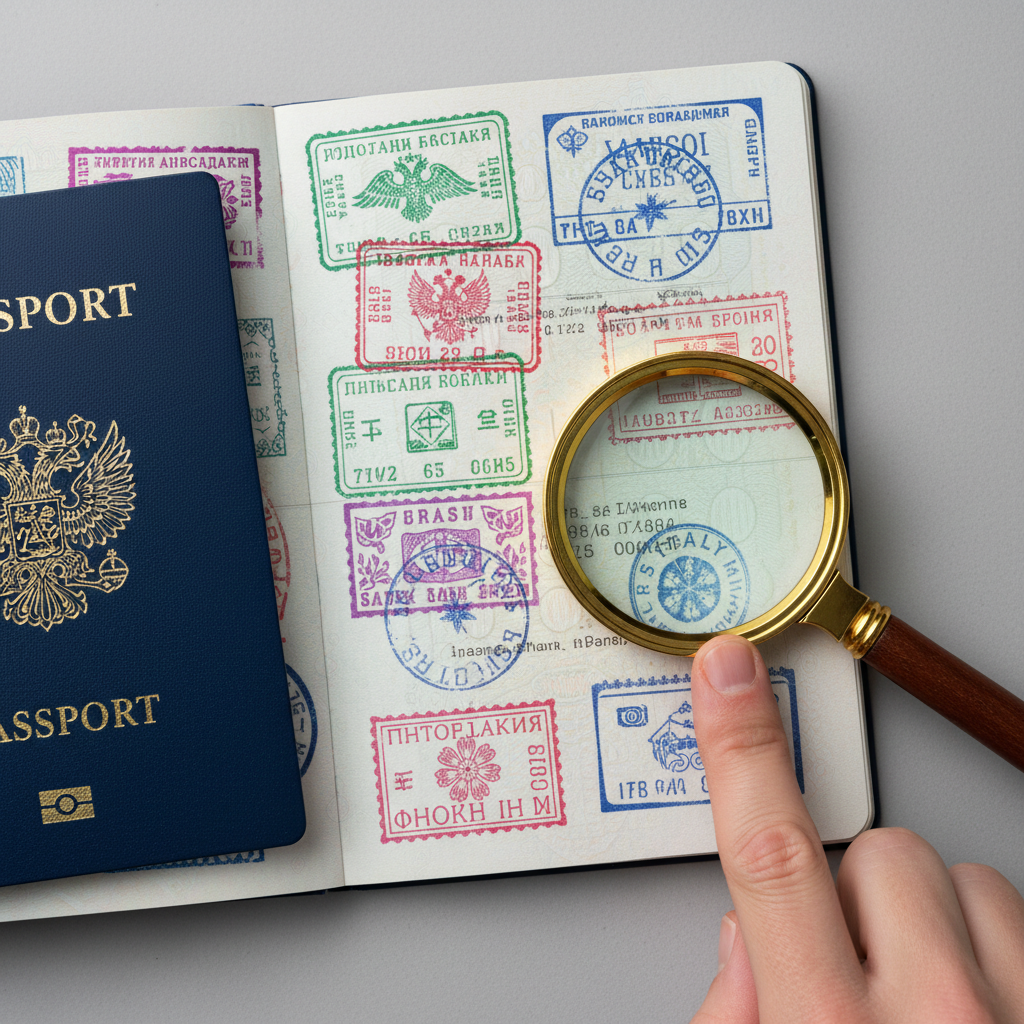
Documents requiring an apostille not accepted legalization Ontario non-Hague countries embassy process must be authenticated by the provincial or federal government and then legalized by the destination country's consulate. This two-step method ensures that Canadian paperwork is legally valid in nations that are not members of the Hague Convention. The procedure involves verifying the document signatures at the government level before final attestation is granted by the foreign embassy.
Securing international recognition for your Ontario documents can become unexpectedly complex when dealing with nations that are not members of the Hague Apostille Convention. While an apostille streamlines the process for many, countries such as the UAE or Qatar still require a rigorous multi step legalization sequence. This distinction is critical because submitting an apostille to a non member state will result in immediate rejection; potentially delaying business ventures or personal relocation plans by weeks. This article examines why certain countries mandate full embassy involvement and outlines the specific three step process for documents originating in Ontario. We will identify the current non Hague list for 2026, address common hurdles encountered at consulates in Ottawa or Toronto, and demonstrate how professional intervention simplifies these demanding bureaucratic requirements. By understanding these nuances, you can ensure your paperwork meets the exact standards of foreign authorities.
Why the Hague Apostille Convention Does Not Cover Every Country
Canada’s accession to the Hague Apostille Convention in January 2024 marked a significant shift for document processing in Ontario. For over 120 member nations, the process is now streamlined into a single step. However, a common misconception is that this update applies globally. In reality, dozens of nations have not signed the treaty, creating a scenario where a standard apostille not accepted legalization Ontario non-Hague countries embassy process becomes the necessary alternative.
For residents in Brampton and the Greater Toronto Area, this means the simplified one stamp rule does not apply to every destination. When a country remains outside the Hague agreement, your documents require a rigorous multi step chain of verification. This involves initial authentication by provincial or federal authorities followed by a final stamp from the destination country’s consulate or embassy. This higher level of verification ensures that the document is genuine before it ever crosses a foreign border.
Navigating these rules requires precision; a single error at the provincial level can lead to a rejection at the embassy weeks later. Brampton apostille experts understand that for non-member states, the requirements are often rigid and subject to change without notice. While we provide same day apostille services for Convention countries, the complex requirements of non-Hague nations demand a more specialized approach to ensure your paperwork is legally recognized abroad.
List of Non Hague Countries Requiring Full Embassy Legalization in 2026
Identifying which nations remain outside the Convention is the first step in avoiding processing delays. For many residents in Mississauga and Brampton, professional or personal moves to major global hubs often trigger the need for the more complex authentication and legalization chain. As of 2026, many of the world’s fastest growing economies still require this traditional method instead of the simplified apostille.
In the Middle East, high traffic destinations for GTA expats, such as Dubai in the United Arab Emirates and Doha in Qatar, are notable non-Hague members. For these locations, the apostille not accepted legalization Ontario non-Hague countries embassy process remains the mandatory pathway. If your document is destined for these jurisdictions, a single Canadian apostille stamp will result in a rejection at the foreign government office.
Region | Key Non-Hague Countries (2026) |
|---|---|
Middle East | United Arab Emirates (UAE), Qatar, Kuwait, Jordan, Iran, Iraq, Lebanon |
Asia | Vietnam, Thailand, Cambodia, Pakistan, Bangladesh, Sri Lanka, Myanmar, Laos |
Africa | Egypt, Nigeria, Ethiopia, Ghana, Kenya, Tanzania, Algeria, Uganda, Libya |
Requirements for these nations are rigid and frequently updated. While Canada’s 2024 accession simplified paperwork for Europe and much of the Americas, a degree destined for a firm in Vietnam or a marriage certificate for a residency permit in Kuwait must still pass through the destination’s respective embassy or consulate. This list covers the most common requests we see from the Greater Toronto Area, but dozens of other nations in Central Asia and the Pacific also maintain these requirements.
Because these countries have not ratified the Convention, their governments require their own consular officials to verify the final Canadian authentication stamp before the document is considered valid. This is why we encourage clients to review our document legalization pricing early. Embassy fees for non-Hague nations are generally significantly higher than standard provincial fees and often require payment via specific, non-electronic methods. Local Brampton apostille experts maintain direct communication with these consulates to track shifting requirements for 2026.
The Three Step Legalization Process for Ontario Documents

Navigating the requirements for countries that do not recognize the Hague Convention requires a meticulous approach to the multi-stage verification chain. This path is significantly more rigorous than the simplified apostille process used for member states. Because the destination country requires their own officials to verify the document, you must follow a strict three-step sequence to ensure your paperwork is not rejected at the final hurdle.
### Step 1: Professional Notarization The process begins at the local level with a licensed notary public. For residents in Brampton and Mississauga, this step involves having a professional verify the identity of the signatories or certify that a copy is a true representation of the original document. This is particularly critical for documents that are not inherently public, such as university degrees, corporate contracts, or powers of attorney. Local Brampton apostille experts ensure that the notary’s signature and seal meet the specific standards required by provincial and federal authentication offices, preventing common clerical errors that often stall the process early on.
### Step 2: Authentication by ODS or GAC Once the document is notarized, it must be authenticated by a higher Canadian authority. In Ontario, this is typically handled by Official Document Services (ODS) in Toronto for provincial documents, or Global Affairs Canada (GAC) in Ottawa for documents destined for specific international uses. During this stage, the government official verifies the notary's credentials. If the final destination is a nation where the apostille not accepted legalization Ontario non-Hague countries embassy process applies, you must receive a traditional authentication stamp rather than an apostille certificate. This step confirms to the foreign consulate that the Canadian official who signed your document had the legal authority to do so.
### Step 3: Consular Legalization The final step is the most variable and involves submitting the authenticated document to the embassy or consulate of the destination country. Each embassy maintains its own unique set of rules, processing times, and requirements. Some consulates in Toronto only handle specific types of documents, while others require all submissions to go through their embassy in Ottawa.
Feature | Standard Apostille | Full Legalization Chain |
|---|---|---|
Verification Levels | Single (Provincial or Federal) | Triple (Notary, Government, Embassy) |
Turnaround Time | Often available as same day apostille services | Typically 2 to 6 weeks |
Cost Structure | Standard government fee | Varying document legalization pricing + embassy fees |
Payment Methods | Credit/Debit | Money orders or certified checks often required |
It is vital to confirm whether the embassy requires original documents or if notarized copies are sufficient. Furthermore, some nations require documents to be translated into their official language before they will apply the final legalization stamp. Missing any of these nuances can result in a document being returned without the necessary seals, necessitating a complete restart of the chain.
Focus on UAE and Qatar: Legalizing Documents for Dubai and beyond

For professionals and families in the Greater Toronto Area relocating to the Middle East, the United Arab Emirates and Qatar represent the highest volume of requests. In these jurisdictions, the term attestation is frequently used instead of legalization. It is crucial to understand that since the apostille not accepted legalization Ontario non-Hague countries embassy process remains the standard for these nations, the requirements are significantly more granular than for European destinations.
The UAE Embassy in Ottawa maintains rigorous standards for personal documents. Educational credentials, such as degrees or transcripts, often require a specific sequence of validation before they can be submitted for the final embassy stamp. This may include obtaining an official letter from the registrar of the issuing university to verify the degree's authenticity. Similarly, marriage and birth certificates must be original government issued documents; photocopies, even if notarized, are frequently rejected by the UAE and Qatar consulates.
Qatar has its own distinct set of rules that often fluctuate. For instance, they may require specific wording on the notary’s certificate or insist that the document be authenticated by Global Affairs Canada in Ottawa rather than provincial authorities for certain categories. Because these embassies charge significant per-document fees, navigating the document legalization pricing and requirements correctly the first time is essential. Brampton apostille experts track these embassy specific nuances daily, ensuring that your documents for Dubai or Doha are prepared exactly to the current standards. While same day apostille services are common for Convention countries, the manual attestation process for these Gulf nations typically requires additional business days for courier logistics and embassy processing times.
Difference Between Embassy Legalization and Apostille
Understanding the technical distinction between an apostille and embassy legalization is essential for managing expectations regarding timelines and budgets. An apostille acts as a universal certificate recognized by over 120 nations; it effectively replaces the need for further verification once the Canadian government applies its seal. Conversely, when an apostille not accepted legalization Ontario non-Hague countries embassy process is required, the document enters a chain of authentication. In this scenario, the destination country does not recognize the Canadian seal as sufficient on its own and requires its own consular official to provide the final, definitive signature.
Feature | Apostille | Embassy Legalization |
|---|---|---|
Primary Use | Hague Convention Member Countries | Non-Hague Countries (e.g., UAE, Vietnam) |
Step Count | Single (Provincial or Federal) | Multiple (Notary, Province/GAC, Embassy) |
Final Authority | Government of Canada/Ontario | Destination Country's Consulate/Embassy |
Typical Cost | Lower (Standardized fees) | Higher (Includes variable embassy fees) |
Processing Time | Fast (often 1 to 5 days) | Extended (can take multiple weeks) |
Because each embassy sets its own administrative rates, document legalization pricing for non-Hague countries is typically much higher than for standard apostilles. Furthermore, the physical logistics of moving documents between provincial offices in Toronto and embassies in Ottawa adds significant complexity. Brampton apostille experts advise clients that while an apostille is a streamlined legal shortcut, legalization is a tiered verification system where each authority validates the one preceding it, ending with the specific representative of the foreign state.
Common Hurdles at Embassies in Ottawa and Toronto

The final stage of the apostille not accepted legalization Ontario non-Hague countries embassy process is where most DIY applications fail due to shifting administrative protocols. Unlike the predictable nature of provincial offices, foreign embassies and consulates operate under their own internal regulations that can change without public notice. One of the most significant hurdles is the jurisdiction rule. For example, some consulates in Toronto only process documents for residents of Ontario, while any document originating from a different province must go to the Embassy in Ottawa. Brampton apostille experts often see documents rejected simply because they were submitted to the wrong regional office.
Access is another logistical challenge. Many diplomatic missions have highly restricted hours, often accepting submissions for only two hours in the morning and dedicated pickup times in the afternoon. Some have shifted to appointment only models where slots are booked weeks in advance, while others refuse walk-ins entirely, requiring mail-in applications via specific pre-approved couriers. Payment methods are equally rigid; most embassies do not accept credit cards or personal checks, insisting on exact-value money orders or certified bank drafts.
Furthermore, certain embassies require a cover letter or specific application forms that are not always available on their official websites. Missing a single supporting document, such as a copy of the applicant’s passport or a university verification letter, will result in the entire package being returned unprocessed. Because these offices are centrally located in downtown Toronto or Ottawa, the logistical cost and time lost from a rejection are significant. Reviewing document legalization pricing ahead of time can help you account for these variable courier and embassy fees. While we offer same day apostille services for Convention countries, the unpredictable gatekeeping at embassies for non-Hague nations requires a more strategic, hands-on approach.
How Speedy Apostille Services Accelerates the Non Hague Process
Speedy Apostille Services provides a critical logistical bridge for documents bound for non-Hague jurisdictions. When a standard Canadian apostille is insufficient, the manual authentication and legalization chain requires a physical presence in both Toronto and Ottawa. We eliminate the need for clients to travel or manage complex courier schedules by overseeing the entire transit process. Our team ensures your paperwork moves efficiently from our Brampton office to Official Document Services in Toronto and, if necessary, to Global Affairs Canada and the respective embassy in Ottawa.
Managing embassy specific fees is one of the most common points of failure for individuals. Most consulates refuse electronic payments, requiring precisely valued money orders or certified bank drafts. As Brampton apostille experts, we handle these financial requirements directly, ensuring each application is submitted with the correct payment instrument. This prevents the weeks of delay that occur when documents are returned due to a payment error or a minor clerical oversight.
Our agents perform a rigorous pre-submission audit to verify that the initial notarization meets the specific standards of the destination country before the document leaves the Greater Toronto Area. By catching potential issues early, we streamline the document legalization pricing and timeline. While same day apostille services are typically reserved for Convention countries, our specialized handling of the apostille not accepted legalization Ontario non-Hague countries embassy process significantly reduces the standard multi-week turnaround times typically associated with embassy attestation.
Navigating the multi-step legalization process for countries outside the Hague Convention can be challenging. Since Ontario documents often require both provincial authentication and embassy legalization, small errors can lead to lengthy delays. If you want expert help to ensure your paperwork is processed accurately and swiftly, our team is here to manage every step for you. You can review our transparent Pricing to see how we can simplify your international document requirements today.